Can your business generate its own electricity to save money?


From wind turbines to rows of solar panels, there are many ways to generate renewable energy at your business. But have you ever considered it?
Research from NatWest found that 7% of SMEs are already investing in on-site green energy generation, while a 2024 study suggests that nearly two-thirds (65%) of all UK businesses want to increase their on-site generation in the next two years.
If you have the time and money to invest, installing green energy solutions can produce longer-term savings, help protect you from price volatility, and help to ease the burden on the environment.
To get your business set on its green and clean journey, our Bionic guide is here to help walk you through what it means to ‘go green’ and self-generate power to run your business.
Five-point summary on small business energy generation
- All types of businesses can invest in renewable energy systems that allow them to generate their own electricity to power their business. Businesses can choose a renewable technology that best suits their business, including wind, solar, hydro and biomass.
- Businesses that invest in renewable energy reap a range of benefits, including energy independence, long-term cost savings, energy security, improved brand perception and environmental sustainability. It also helps lower our nation's carbon footprint, improves the air quality and protects our natural resources.
- The initial cost of self-generated energy systems can vary based on the generation method, the scale of the project, the location and the available resources. But eventually, businesses will be able to pay off the initial investment.
- Government schemes like the Smart Export Guarantee allow businesses to sell the excess renewable energy they generate back to the grid. There are also other government incentives for relief on the green taxes all businesses have to pay.
- There are several financial incentives available to businesses that generate their own electricity. This includes making money via the Smart Export Guarantee (SEG) along with certain tax incentives.
What does it mean to generate your own electricity?
Generating your own electricity refers to producing electrical energy on-site using various technologies and resources instead of solely relying on external electricity providers like utility companies.
Self-generated electricity is often called ‘onsite power generation’ or ‘distributed generation’. It involves setting up infrastructure to produce, manage, and utilise electricity for your business's needs.
In 2025, renewables made up 47% of UK electricity supplies, a record high. This was mostly thanks to additional wind generation from more offshore wind farms and higher wind speeds.
For UK businesses, on‑site generation often means installing solar PV on roofs or land, sometimes combined with batteries, and potentially complementing this with technologies like CHP or heat pumps.
How can businesses generate their own electricity?
There are a few different ways that your business can generate its own electricity. But not all systems will be suitable for all. Hydropower, for example, is only suitable for businesses located near running water. Here is a rundown of the options to consider:
Solar
Solar panels, also known as photovoltaics (PV), are one of the most common renewable energy sources. You’ll probably have already seen them across buildings and homes alike, as they’re easy to install and can be fitted onto the side of the premises.
Solar panels capture the sun's energy using photovoltaic cells. This means that when light shines on the material, it knocks the electrons apart, which creates a flow of electricity. Luckily for UK businesses, the cells don’t need direct sunlight to generate electricity since they can even operate on cloudy days! But the stronger the beams from the sun, the more electricity that’ll be generated.
On average, solar panels suitable for micro businesses can cost anywhere between £6,000 and £11,000, with larger systems costing anywhere from £16,000 to £70,000. This sounds like a hefty initial investment, but it can pay off in the long run.
Recent commercial solar data suggests SMEs can now expect installed costs of around £800 to £1,300 per kWp for systems up to 50 kWp, with simple payback often between three and six years, where most power is used on site.
As a rough guide, a 30 kWp system suitable for a small warehouse or office might cost in the region of £24,000 to £39,000 and save around £6,000 to £8,000 a year on electricity at current prices.
Wind
Wind energy is a form of renewable energy derived from the kinetic energy of moving air or wind. This energy is harnessed and converted into electricity using wind turbines or windmills consisting of large blades attached to a rotor, which is connected to a generator.
As the wind blows, it causes the blades to spin, rotating the rotor and generating mechanical energy. This mechanical energy is then turned into electrical energy through the generator.
This type of energy isn’t really suitable if your business operates in a built-up area, such as in the middle of a city centre. But if your company is in an isolated or exposed spot, you could reap the rewards.
Smaller turbines generating around 2,000 kWh per year can cost between £2,000 and £6,000, while installing a bigger unit can see prices of £20,000 up to £3.3 million. Larger models generate much more power, so they don't take as long to pay back, even though they cost more to install.
In reality, only a small number of UK SMEs have the right wind conditions, planning prospects and space for small turbines, so most on‑site generation projects focus on solar rather than wind.
Biomass energy
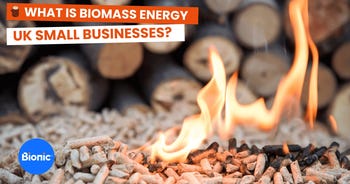
Biomass energy is another popular form of renewable energy. Wood-fuelled heating systems, also known as biomass systems, burn wood pellets, logs or chips to power central heating and hot water boilers.
An ordinary commercial biomass boiler installed to heat two or more buildings can cost around £20,000.
While biomass systems mainly provide heat rather than electricity, they can sometimes be combined with CHP to generate power and heat from a single fuel source.
Hydropower
Hydropower, also known as hydroelectricity, is one of the oldest and most widely used sources of renewable energy, dating back centuries to water mills used for grinding grain. In modern times, hydropower has been scaled up to produce electricity on a larger scale by using dams and turbines.
Hydropower harnesses the energy of flowing water to generate electricity, often producing enough electrical power for both lighting and electrical appliances.
Micro-hydro systems for small businesses cost around £4,000 per kW installed. A typical micro-hydro system with standard costs would be around £20,000 to £25,000 for a 5 kW unit.
The estimated cost to build a larger hydropower system that has a maximum power output of 50 kW is £6,000 for installation and an estimated project cost of £300,000.
Micro‑hydro is only an option for sites with suitable, consistent flowing water and appropriate permissions, so it tends to be used by a small minority of UK businesses.
What are the benefits of generating your own electricity?
Businesses that generate their own electricity can reap a wide range of benefits that go beyond relying solely on existing suppliers.
- Cost savings — Generating your own electricity can lead to high cost savings over time. By using renewable energy sources or more efficient technologies, businesses can reduce their dependence on fluctuating utility rates and potentially even get rid of electricity bills altogether.
- Energy independence — On-site power generation reduces reliance on The National Grid and gives businesses greater control over their energy supply. This, in turn, lessens the risk of grid failures, supply disruptions, or geopolitical tensions that could impact energy imports.
- Environmental sustainability — Businesses that generate their own electricity through renewable sources contribute to environmental sustainability by cutting down fossil fuels and greenhouse gas emissions. This aligns with corporate social responsibility and shows a commitment to combating climate change.
- Energy security — On-site power generation acts as a backup during grid outages, ensuring operations keep going even if there is an issue with the external power supply. This is crucial for industries where operations are constant, such as hospitals and data centres. But it’s also useful for SMEs to have a backup supply in case of power cuts - especially during the mid-morning coffee rush at a cafe, for example.
- Hedging against price volatility — Changes in energy prices can have a big impact on a business's operating costs. Generating your own electricity can lessen this, providing more stable energy costs and making it easier to budget.
- Public branding and image — Adopting sustainable practices can improve a business's public image. Customers, investors, and stakeholders often view environmentally conscious companies more favourably, which can lead to increased brand loyalty and better market value. But you have to make sure this is done for the right reasons, or your business may be accused of greenwashing.
On‑site generation can also help your business meet net-zero targets or supply chain requirements where large customers ask for evidence of emissions reductions and renewable energy use.
How can a UK business start generating its own electricity?
If you want to start generating electricity at your business, the following checklist will help:
Assess your energy needs and site suitability
To begin generating electricity at your business, start by reviewing how much electricity your business uses. This helps you understand the scale of the system you’ll need. Then assess your premises to identify suitable areas for installation. Rooftops, open land, or access to flowing water can all be valuable depending on your chosen technology.
Look at when you use power as well as how much – daytime, year‑round usage is ideal for solar, while very low summer or weekend loads might lead to more export than self‑consumption.
Choose a generation technology
There are several renewable technologies to consider. Solar panels are a popular choice for businesses with available roof or ground space. Wind turbines may be suitable for properties in exposed, windy locations. Biomass systems work well for businesses that produce organic waste.
Hydropower is an option if you have access to flowing water. Combined heat and power (CHP) systems are a good fit for businesses that need both heat and electricity.
Many UK SMEs start with rooftop solar because it is modular, relatively simple to install and works well with typical office, retail and warehouse usage patterns.
Check permissions and regulations
Before you install anything, check whether you need planning permission—this depends on the size and type of system. If you plan to connect your system to the grid, you’ll need to apply to your local Distribution Network Operator (DNO).
For smaller systems, ensure your installation meets the standards set by the Microgeneration Certification Scheme (MCS), especially if you want to access financial incentives.
You will also need a smart or half‑hourly meter and an export MPAN if you want to be paid for surplus electricity through the Smart Export Guarantee.
Explore funding and incentives
You may be able to offset some of the costs with financial support. If you plan to export electricity back to the grid, you can apply for payments through the Smart Export Guarantee (SEG). Tax relief through capital allowances may also be available.
Some businesses can access local or national grants and loans. Alternatively, you might consider third-party financing options such as Power Purchase Agreements (PPAs).
Under SEG, licensed suppliers with over 150,000 customers must offer at least one export tariff, and your system generally needs to be MCS‑certified and below 5 MW (or 50 kW for micro‑CHP).
Choose a certified installer
For peace of mind and to ensure eligibility for schemes like SEG, it’s important to hire a certified installer. Choose an MCS-certified installer or someone certified by another recognised body to ensure your system is safe, efficient, and compliant.
Select an installer who can provide clear performance estimates, warranties, maintenance options and help with DNO and SEG paperwork.
Install and connect the system
Once you’ve chosen your installer, the next step is installation. Your installer will fit the system and connect it to your business’s energy supply. If you’re exporting to the grid, they’ll also handle the connection to the network via your DNO.
Monitor and maintain
After installation, it’s important to monitor how your system is performing. Set up monitoring tools to track how much electricity you’re generating and saving. Regular maintenance is also essential to keep the system running smoothly and efficiently over time.
Most solar systems need only occasional inspections and cleaning, but wind, hydro and biomass systems usually require more regular checks and servicing.
How much will it cost to set up your own energy infrastructure?
The cost of generating your own electricity as a business can vary widely based on several factors, including things like your energy generation method, the scale of the project, location and the available resources.
Some key points that can influence the overall cost include:
- Energy generation method — The type of energy generation method you choose will have a big impact on costs. Solar power, wind power, biomass, hydroelectric power, and other methods have different upfront costs and ongoing expenses.
- System size — Size does matter when it comes to the system that you’re going to choose. The capacity of the energy generation system will affect costs — larger systems tend to have higher upfront expenses but can also generate more electricity.
- Installation costs — The price that comes with installing the equipment, including labour, engineering, permitting, and site preparation, all add to the overall costs.
- Location — Your business's location has an impact, as solar and wind resources, local regulations and government incentives can vary from one region to another.
- Maintenance and operation — Ongoing maintenance, repairs, and operational expenses over the system's lifespan need to be considered and factored in.
- Energy storage — If you want to store excess energy for use during low-generation periods, such as with solar or wind energy, the cost of energy storage technology (batteries, pumped storage, etc.) should be considered.
How long will it take to recoup the investment in self-generated electricity?
The time it takes to recoup the investment in self-generated electricity varies widely based on several factors. As a rough guideline, payback periods for self-generated electricity projects can vary from several years to a decade or more.
Depending on the factors mentioned above and the scale of your system, solar panels will likely have a payback period between five and ten years, while other systems might have shorter or longer payback periods.
Well‑designed commercial solar projects in 2026 often achieve paybacks in three to six years, where most generation is used on site, and electricity prices remain relatively high.
Technologies with higher capital costs or more complex civil works – such as wind, hydro or CHP – may have longer payback periods and require more detailed feasibility studies.
What are the environmental benefits of self-generated electricity?
Self-generated electricity helps to contribute to a more sustainable world, and has the following benefits:
- Reduced greenhouse gas emissions — Generating electricity from renewable sources like solar, wind, and hydropower produces little to no direct greenhouse gas emissions. This significantly reduces the carbon dioxide and other pollutants that contribute to climate change and global warming.
- Lower carbon footprint — By relying on clean energy sources, businesses can significantly reduce their carbon footprint, which is the total amount of greenhouse gas emissions produced throughout their operations. The lower your carbon footprint, the better it is for the environment.
- Improved air quality — Self-generated electricity from renewables doesn't release pollutants that worsen air quality, such as sulfur dioxide, nitrogen oxides, and particulate matter. This leads to cleaner air, better public health, and reduced respiratory illnesses.
- Biodiversity protection — Some conventional energy production methods, like fossil fuel extraction, can harm ecosystems and threaten biodiversity. Renewable energy projects, when properly designed and sited, have a lower impact on habitats and ecosystems, helping to protect biodiversity.
- Conservation of natural resources — Self-generated electricity relies on renewable resources like sunlight, wind, and water, which are naturally replenished over time. This reduces the pressure on finite fossil fuel resources and helps conserve natural resources for future generations.
- Adaptation to climate change measures — The shift to self-generated clean energy contributes to global efforts towards climate change. As businesses transition to renewable energy sources, they help reduce the devastating effects of climate-related events like more frequent and intense heatwaves, storms, and rising sea levels.
On‑site renewables also help UK businesses align with net-zero goals and respond to growing expectations from customers, investors and public‑sector buyers on climate action.
Are there any regulations in place in the UK when generating your own electricity?
Yes, there are regulations and policies in place in the UK for businesses and individuals generating their own electricity.
The UK government has established a framework to promote renewable energy generation, energy efficiency, and sustainable practices. These regulations aim to ensure safety, grid compatibility, environmental protection, and fair compensation for energy produced, meaning you can sell electricity back to the grid.
Key rules cover planning permission, building regulations, grid connection standards (G98/G99), metering, and eligibility criteria for schemes such as SEG and business‑rate relief on eligible plant and machinery.
Are there financial incentives for UK businesses to generate their own electricity?
There are several financial incentives for UK businesses that generate their own electricity through renewable sources. These include:
- Smart Export Guarantee (SEG) - Introduced on January 1, 2020, the SEG replaced the Feed-in Tariff. Offered by larger energy suppliers, this scheme pays households and businesses for any extra electricity they generate and export to the grid. The rates can vary and are determined by the suppliers.
- Grants and loans - Various grants and financing schemes are available to help businesses set up renewable energy solutions. For instance, the UK government offers financial support for energy efficiency investments, which can help reduce carbon emissions and lower energy costs.
- Tax incentives - business rates are exempt for eligible plant and machinery used in onsite renewable energy generation and storage until 2035. This includes rooftop solar panels, wind turbines, and battery storage.
These incentives aim to support businesses in reducing their energy costs and carbon footprint. For more information on specific incentives and to keep up to date with any changes, speak with financial advisors or relevant authorities.
To qualify for SEG, you typically need an MCS‑certified installation, a smart or AMR meter providing half‑hourly export readings, and a system capacity up to 5 MW (or 50 kW for micro‑CHP).
Some suppliers and local programmes also offer tailored export rates or additional support for business installations, so it’s worth shopping around before you commit.
Get your business set with Bionic
We know not all businesses will be able to install renewable energy systems, but those who do may be able to get some relief from green taxes.
If you need more advice on renewables or help understanding business energy, head over to our energy guide pages for more information. Or, get in touch today with the Bionic team to compare your business energy needs, including electricity and gas. Just enter your business postcode in the sidebar to the right to get started.
Frequently asked questions (FAQS) on small business energy generation
Still not quite sure about small business energy generation? Here are the answers to some of the most frequently asked questions.
Can a small business in the UK realistically generate its own electricity?
Yes, many UK small businesses now install rooftop solar or other renewables to generate a significant share of their electricity on-site.
What is the most popular way for UK businesses to generate their own electricity?
Solar PV panels are the most common on‑site generation option for UK SMEs because they are modular, relatively simple to install and work well with daytime usage.
How much does commercial solar cost for a small UK business?
Typical SME solar systems up to 50 kWp cost roughly £800–£1,300 per kWp installed, with overall project costs running into the tens of thousands of pounds.
How long does it take a UK business to pay back a solar PV system?
Many commercial solar projects in the UK now pay back in about 3–7 years, depending on system size, tariffs and how much power is used on site.
Are UK businesses paid for the extra electricity they export to the grid?
Yes, eligible businesses can earn payments for surplus electricity through Smart Export Guarantee tariffs offered by licensed suppliers.
What do UK SMEs need to qualify for the Smart Export Guarantee?
They usually need an MCS‑certified renewable installation, a smart or half‑hourly meter and an export MPAN, plus a SEG contract with an energy supplier.
Is on‑site wind power suitable for most UK small businesses?
Small wind turbines are only viable for a minority of UK businesses with very good wind resources, plenty of space and suitable planning conditions.
How can Bionic help my UK business if I want to generate my own electricity?
Bionic can compare business energy tariffs, explain how self‑generation will interact with your bills and help you choose options that fit your budget and sustainability goals.