What is biomass and what does it mean for UK small businesses?


If you're looking to go green and generate your own clean energy at your business, there are a lot of options available. The trick is knowing which is the best fit for your business. Renewable energy systems like solar panels and microturbines are becoming increasingly popular, but have you heard of biomass?
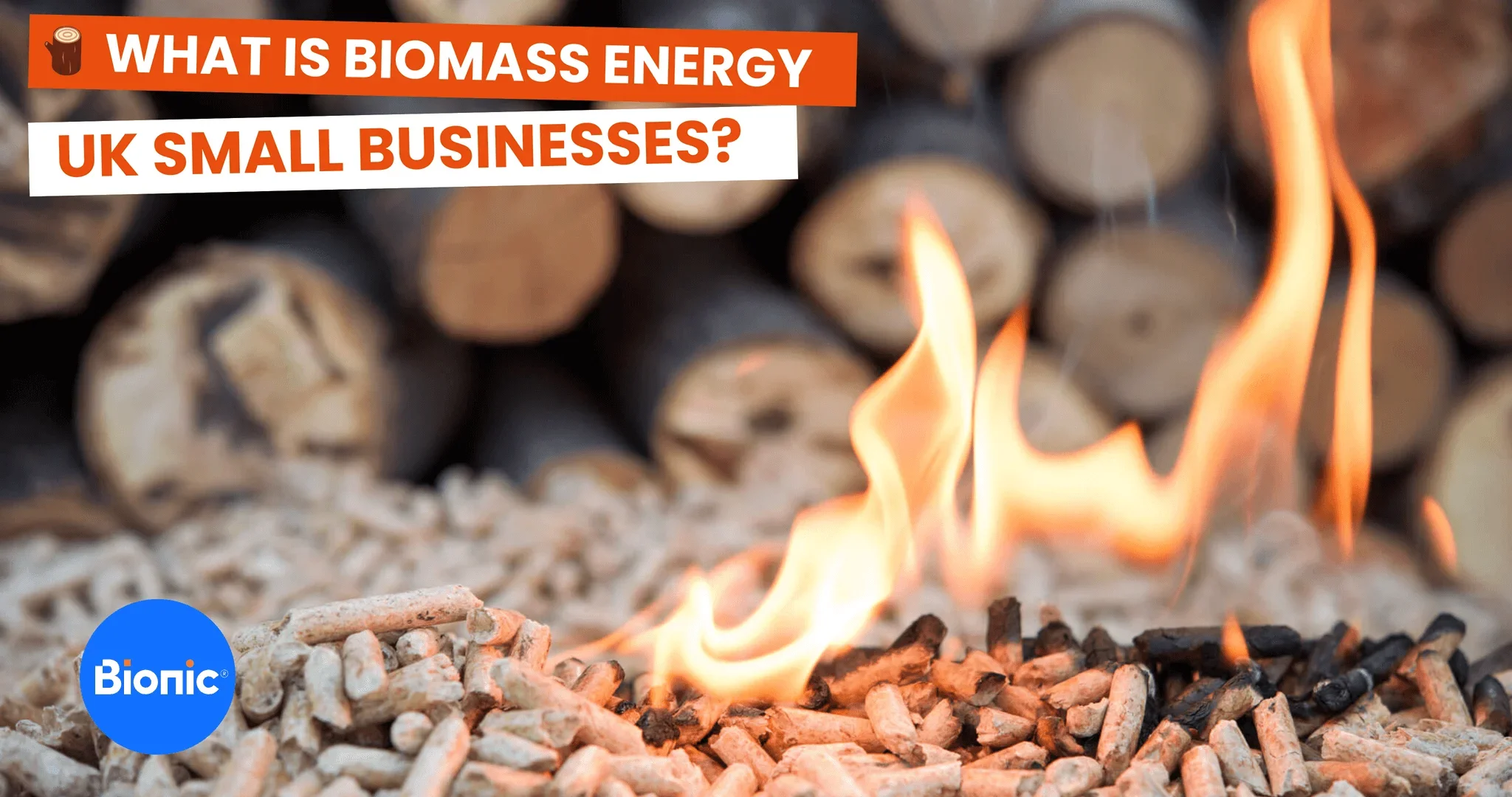
Although forms of biomass energy have been around for arguably millions of years, it's only recently seen a more mainstream revival. In fact, biomass is a key component within the UK’s energy supply, providing almost 12% of all energy consumed today in the UK. It remained the second-largest source of renewable generation in 2024.
Biomass is already used in large UK power stations and smaller biomass boiler systems to provide low‑carbon heat and power, and it can be an option for certain small businesses with the right site and fuel supply.
But is it right for your business? And why is large-scale biomass energy production being phased out? Read on to find out.
Five-point summary on biomass for business
- Biomass is a renewable energy source made from organic materials like wood pellets, chips, crops and food or agricultural waste, which can be burned or processed to generate low‑carbon heat and power for UK businesses.
- UK commercial biomass boilers and CHP systems burn biomass to produce heat and sometimes electricity, while technologies like gasification turn biomass into a gas fuel that can be used in power plants.
- Biomass can reduce reliance on fossil fuels and support net zero goals when fuel is locally and sustainably sourced, but large‑scale use raises concerns around deforestation, land use, biodiversity and local air pollution.
- For suitable UK sites, biomass can cut waste, diversify the energy mix and offer more stable heating costs, but it also needs space for fuel storage, regular deliveries, higher upfront costs and careful emissions control.
- The UK is winding back subsidies for large‑scale biomass because it is more expensive and polluting than wind and solar, with carbon accounting, nature loss and air quality concerns driving a shift in policy and support.
What is biomass?
In ecological terms, biomass refers to any organic matter from living materials made of carbon. Biomass energy is a renewable source that can be used to generate energy, such as wood, plant materials or forest residues, among others.
While biomass releases carbon dioxide when burned, it is still less than what fossil fuels, like coal, produce.
Biomass can be burned directly for heat, used in combined heat and power (CHP) systems to produce both heat and electricity, or processed into gases and liquid biofuels.
How does a biomass power plant work?
Unlike traditional power plants that run on fuels such as coal or gas, a biomass power plant runs entirely on biomass organic materials.
When organic matter is burned for fuel, it creates steam that turns turbines to generate electricity. This system is similar to how gas or coal-fuelled plants run, with the main difference being the fuel used and its impact on the environment.
And this is where things get a little more complicated.
While biomass is undoubtedly a renewable energy source and cleaner than fossil-fuel generation, burning biomass does release CO2 and pollutants, and large-scale use raises concerns about deforestation and land use. This is why the UK is phasing out large-scale biomass production (more on that later).
But burning biomass isn’t the only way these materials are used to generate electricity. Gasification is another method. This is where biomass is heated with less oxygen than is needed for proper combustion. This produces hydrogen, which can be used as an alternative method of fuel in a power plant.
On a smaller scale, many commercial biomass systems in the UK are biomass boilers that burn wood chips or pellets in a controlled way to provide hot water and space heating for one or more buildings.
What is biofuel?
Biofuel is a type of renewable fuel that comes from organic matter, such as plants, agricultural residues, or waste materials, which undergo various processes to convert their biomass into usable energy sources.
These energy sources take the form of liquid fuels (biofuels) like biodiesel and ethanol, produced through complex processes like transesterification and fermentation. During these chemical processes natural plant oils are added to alcohol to change the composition of organic matter and then the molecules are broken down anaerobically.
Biofuels are considered environmentally friendly alternatives to fossil fuels. They can help reduce greenhouse gas emissions and dependence on finite resources, contributing to a more sustainable and cleaner energy future.
In a small‑business context, biofuels can be used in vehicles, machinery or backup generators, although availability and compatibility with existing engines need to be checked with suppliers.
What are the different types of biomass?
There is a wide range of organic materials that can be used as a source of biomass energy.
These include:
- Wood — This is biomass derived from trees and woody plants. It can be used for heat, power generation or converted into biofuels, like wood pellets.
- Agricultural biomass — This includes crop residues like corn stalks, wheat straw, and rice husks. These materials can all be used for energy generation.
- Energy crops — These are specifically grown for energy production, such as switchgrass, miscanthus, and willow. They are cultivated for use as biomass for fuel.
- Food processing waste — Waste materials such as fruit peels, vegetable trimmings, and other byproducts are generated during food processing. These can be processed and converted into bioenergy.
- Animal manure — Waste from livestock and other animals can be used for biogas production through anaerobic digestion, which generates methane for energy.
- Algae — Microscopic aquatic plants that can be grown for their biomass, which contains oils that can be converted into biofuels like biodiesel.
- Aquatic plants — These include various plant species that grow in marine environments like ponds, lakes, and rivers. They can be harvested and used for biomass energy.
In the UK small‑business market, the most common biomass fuels are wood pellets, wood chips and occasionally agricultural residues or food waste used in local biomass heating or biogas plants.
Is biomass environmentally friendly and sustainable?
Biomass is a somewhat sustainable energy source that can help reduce our dependency on fossil fuels. Since it’s renewable, it can be replenished over time, unlike coal, natural gas, oil and nuclear energy. That said, concerns have been raised over the sustainability of biomass, given regrowth times and impact on biodiversity.
It also has its drawbacks where air pollution is concerned. When burned, biomass releases pollutants into the air, which can be harmful to human health, especially to people who suffer from respiratory conditions like asthma.
Sustainability also depends on how the fuel is sourced - using local residues and waste streams is generally better than importing biomass over long distances or sourcing from unsustainably managed forests.
Well‑designed biomass systems can reduce lifecycle greenhouse gas emissions compared to fossil fuels, but they still need good controls, maintenance and flue systems to keep local air quality impacts within legal limits.
What are the advantages of using biomass energy?
On the other hand, there are also many benefits of using biomass energy for businesses and the environment.
- Waste reduction — Utilising biomass for energy encourages the responsible management of organic waste. By converting waste materials into useful energy sources, biomass energy helps reduce the burden on growing landfills and waste disposal systems.
- Reduce greenhouse gas emissions — When biomass is burned or processed for energy, it releases carbon dioxide (CO2), but the amount released is generally equivalent to the CO2 absorbed by the plants during their growth. This creates a carbon-neutral or carbon-negative cycle, which can help against greenhouse gas emissions and combat climate change.
- Diverse feedstock — Biomass can be sourced from a wide variety of materials, including agricultural residues, forest waste, and organic waste from households and businesses. This creates a ‘diverse feedstock’ of materials to be used and reduces the pressure on a single resource that has the potential to run out.
- Energy diversification — Biomass energy contributes to energy diversification by offering an alternative to fossil fuels. This can enhance the UK's energy mix, improving our energy security by reducing reliance on imported oil and natural gas.
- Renewable energy source — Biomass is renewable as it comes from natural plants and waste, which can be replenished through natural processes. This in itself makes biomass a renewable energy source, helping to reduce dependence on finite fossil fuels.
For suitable UK sites, biomass heating can also offer relatively stable fuel costs and, in some cases, savings compared with oil, LPG or older electric heating, especially where heat demand is high and consistent.
What are the disadvantages of using biomass energy?
Biomass also has drawbacks that you need to consider before investing. These include:
- Fuel storage and deliveries - You will usually need space for fuel storage and regular deliveries of pellets, chips or other biomass, which may not be practical on tight or urban sites.
- Capital cost and maintenance - Biomass boilers and associated equipment can be more expensive upfront than conventional boilers and require regular cleaning, servicing and ash removal.
- Planning and local impacts - Chimneys, flues, fuel deliveries and local emissions may all be considered in the planning process, so you may need specialist advice and planning permission.
How long has biomass been used as a source of energy?
Biomass has been around for millennia — in fact, there’s plenty of evidence to suggest that humans have been using biomass energy for at least 230,000 and 1.5 million years ago.
For most of Earth’s existence, biomass energy consisted mostly of plant or animal material to fuel cookfires and the use of wood materials for heating.
Biomass is among some of the most straightforward energy sources of combustible carbon. This is why biomass energy is still widely used in developing countries, as they don’t have the infrastructure for generating large bioenergy systems.
Modern biomass boilers, CHP plants and biogas systems build on this long history by using more efficient combustion, control and emission‑reduction technologies.
How do you know if biomass energy is right for your business?
There are a few factors to consider when looking at how feasible using biomass energy is for your business.
- Resource availability and suitability - Consider if biomass resources are available and suitable, from agricultural residues and forest waste to energy crops and organic waste. Look at factors such as quantity, quality, sustainability, and potential environmental and social impacts of sourcing these resources.
- Technology selection - Research the right biomass conversion technology for your energy needs — consider options like combustion and gasification. Take into account its efficiency, scalability, and cost-effectiveness. If you’re not sure, look into hiring a consulting expert to help you make the decision.
- Energy demand and potential benefits - Analyse your business's energy consumption patterns and estimate the potential cost savings from using biomass energy. Compare these projected savings to your current energy costs to see whether you could save any money if you switch.
- Financial analysis - Estimate the initial investment you’ll need for equipment, construction, and general operations and then compare these costs to the projected revenue you could make. Make sure to consider all financial matters, including payback period and return on investment.
- Site suitability - Check if you have enough space for a biomass boiler, fuel store and flue, and whether access for fuel deliveries is straightforward.
- Heat profile - Biomass tends to work best where you have a steady, year‑round heat demand, such as in hospitality, agriculture, manufacturing or large commercial buildings.
- Alternative options - Compare biomass with other low‑carbon options such as heat pumps, district heating or high‑efficiency gas boilers with green electricity to see which gives the best mix of cost, practicality and emissions savings.
Are there any financial incentives or grants available for adopting biomass energy?
The ‘Biomass Feedstocks Innovation Programme’ is a £36 million programme funded through the Department for Energy Security that aims to increase commercial use of innovative clean energy technologies and processes throughout the next two decades. It also aims to increase the production of sustainable UK biomass feedstocks.
This programme closed to applicants on May 12, 2023.
Adopting renewable systems that use biomass energy could mean your business can get some relief on green taxes, like the Climate Change Levy.
The original Renewable Heat Incentive (RHI) scheme for new biomass systems has closed, but existing accredited systems continue to receive payments for their agreed term.
At present, most direct government support for biomass focuses on households and specific heating schemes, so UK SMEs should check the latest Boiler Upgrade Scheme and other local incentives to see what applies to commercial sites.
It is also worth checking with your bank, local authority or devolved government if there are any low‑cost loans or grants for business energy‑efficiency or low‑carbon heating projects in your area.
Why is large-scale biomass production being phased out in the UK?
Large‑scale biomass is on the way out in the UK because it’s expensive, polluting and not as “green” as first thought. Subsidies are being wound down as evidence of carbon and nature damage is growing, and wind and solar can now deliver cheaper, cleaner power.
Here's a more detailed breakdown:
- Policy and subsidies - Government support is moving away from large-scale biomass and towards more cost-effective renewables like solar and wind, which means big biomass plants are becoming a less attractive long-term option for UK businesses.
- Carbon accounting controversies - Burning biomass can create a long-lasting “carbon debt”, and many experts argue current accounting rules underplay its real climate impact compared with cleaner technologies.
- Environmental damage - Large-scale demand for wood pellets can drive forest logging, damage biodiversity and compete with land needed for food production or nature recovery – all at odds with UK sustainability goals.
- Air quality and health - Biomass plants can emit particulates, nitrogen oxides and VOCs at levels similar to coal, which can worsen local air quality and increase the risk of respiratory and cardiovascular health issues for nearby communities.
- Economic inefficiency - Compared with mature wind and solar, large-scale biomass is often a more expensive way to generate power, especially when it relies on long-term subsidies – costs that can ultimately feed through to business energy bills.
- Net zero targets - The UK’s Climate Change Committee has highlighted that scaling back large-scale biomass generation is part of keeping the country on track for its legally binding net-zero targets, pushing policymakers and suppliers towards lower-carbon options.
The Climate Change Committee wants support for unabated biomass generation to be largely gone by 2027, so the UK can hit its net-zero goals with more sustainable renewables instead. Drax will remain the UK's biggest supplier of biomass energy, but will have its subsidies cut from 2027. It's estimated that this will make biomass power at Drax twice as expensive as wind and solar.
Get your business set with Bionic
Biomass can be a great alternative to more ‘traditional’ means of energy production. And, no matter the size of your business, even the smallest of changes can make a big difference.
If you need more help understanding business energy, head over to our energy guide pages for more information. Or, get in touch today with the Bionic team to compare your business energy needs, including electricity and gas.
FAQs on biomass and your small business
Here’s an at-a-glance guide to some of the most frequently asked questions about biomass and UK small businesses:
What is biomass energy for UK small businesses?
Biomass energy for UK small businesses means using organic materials such as wood pellets, chips or waste to provide low‑carbon heat or power instead of fossil fuels.
Is biomass a good option for small businesses in the UK?
Biomass can be a good option for UK SMEs with high, steady heat demand and space for fuel storage, but it is less suitable for small urban sites with limited access and stricter air‑quality constraints.
How does a biomass boiler work in a UK business?
A biomass boiler burns fuels like wood pellets or chips in a controlled way to produce hot water and heating for your building, similar to a conventional boiler but with renewable fuel.
Is biomass really carbon neutral for UK companies?
Biomass can significantly cut lifecycle emissions compared with fossil fuels when sourced sustainably, but it still produces CO₂ and local air pollutants, so design and fuel choices matter.
What types of UK businesses commonly use biomass heating?
Biomass heating is often used by farms, hotels, leisure centres, schools and industrial or commercial sites with plenty of space and consistent heat demand.
Are there any grants for biomass boilers in the UK in 2026?
Domestic schemes like the Boiler Upgrade Scheme may support some biomass installations, but commercial support is more limited and SMEs should check current UK and devolved‑nation offers.
How does biomass compare with heat pumps for UK small businesses?
Biomass can suit rural or off‑gas sites with ample space and fuel supply, while heat pumps often work better in well‑insulated buildings with lower‑temperature heating systems.
How can Bionic help my UK business decide if biomass is right?
Bionic can explain how biomass fits into the UK energy mix, compare your current energy options and help you find greener tariffs while you explore whether a biomass system is feasible.*